
How much does alloy wheel refurbishment cost in the UK?
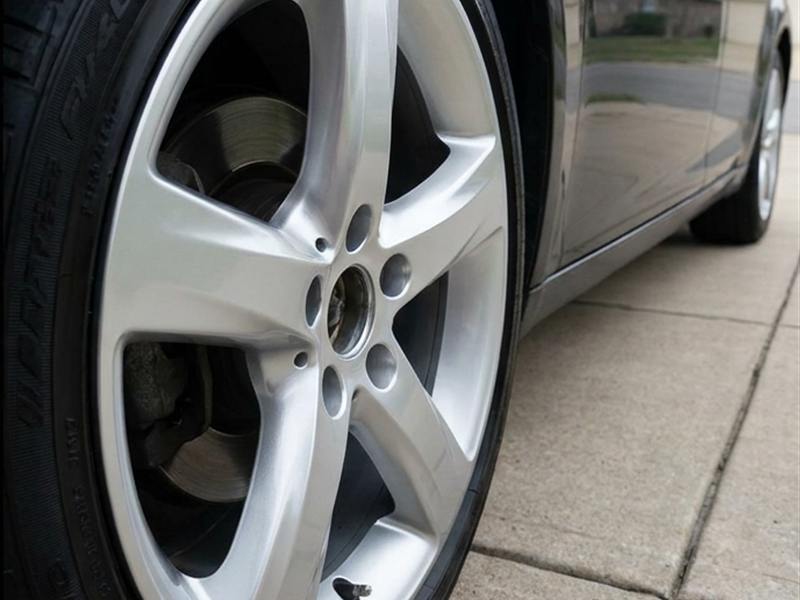
Auto Express puts the average cost of repairing and refurbishing an alloy wheel at about £50 to £120 per wheel, and the things that…
Read guide →
Home / News & guides / 19 November 2026
If you hit a parked car, you must stop. If the owner isn’t there to take your details, leave a note and report the collision to the police as soon as you reasonably can, and within 24 hours at the latest. Then tell your insurer, even if you’d rather pay for the damage yourself.
Rule 286 of the Highway Code, which is based on section 170 of the Road Traffic Act 1988, applies to any collision that damages another vehicle. You must:
With an empty car there is usually nobody to give your details to, so the police report is what meets the duty. The Crown Prosecution Service’s guidance makes two points worth knowing. The 24 hours is an outer limit, not a period you’re entitled to use. And the report is made at a police station or to a police officer.
There’s no minimum level of damage. A scuffed bumper counts. The rule applies in many car parks too: the Highway Code says that in law “road” includes many roadways and driveways on private land, including many car parks.
Failing to stop and failing to report are criminal offences. GOV.UK lists failing to stop after an accident (code AC10) and failing to give particulars or report an accident within 24 hours (code AC20). Each carries 5 to 10 penalty points, which stay on your driving record for 4 years from the date of the offence.
The Sentencing Council’s guideline says the offence is dealt with in the magistrates’ court, with a maximum of an unlimited fine and/or 6 months in custody. Courts must endorse your licence and may disqualify you.
If you’ve already left without leaving details, report it to the police now. The longer you wait, the harder it is to show you reported it as soon as reasonably practicable. If you’re worried about where you stand, get legal advice.
Usually your insurer, if the owner claims. GOV.UK says third party insurance, the legal minimum, covers you if you cause damage to any other vehicle. It doesn’t cover repairs to your own car. That needs comprehensive cover, and you’d normally pay your excess.
Because you hit a stationary car, your insurer is unlikely to recover its costs from anyone else. The Financial Ombudsman Service (FOS) explains that this is what a “fault claim” means. An unprotected no-claims bonus is normally reduced by 2 years after one. Even with a protected bonus, the FOS says your premium may still rise at renewal.
Yes. Which? says you don’t have to claim on your insurance, but you do have to tell your insurer. If you agree to pay the owner directly, get the repair quote or invoice and put the agreement in writing. Keep in mind that the owner can still claim against your policy later. The FOS says that once your insurer receives a claim from the other driver, it should treat it as a claim.
To weigh it up, compare the repair price with what a claim would cost you in excess and lost discount. Our guide to whether it’s worth claiming for minor damage walks through the sums.
If a light is broken, a wheel or tyre took the impact, a panel is loose or rubbing, or a warning light has come on, don’t drive the car. Arrange recovery instead.
If you came back to find your own parked car damaged, see our guide to what to do if someone hit your parked car. If both drivers were there, for example two cars reversing, our guide to car park accidents covers fault and CCTV.
Thames Autos is a trusted bodyshop and accident repair centre at 1A Spencer Road, Seven Kings, and has been since 2015. If your own car was marked, send photos through our contact page and we’ll price the repair individually. Most scuffs and cracks are done in 1–2 days. We’re insurance approved, and free courtesy cars are available on qualifying insurance repairs (T&Cs apply). Call 0208 597 7639, Monday to Friday 8am–6pm and Saturday 9am–2pm, or see our accident repair service.
This is general information, not legal or insurance advice. Last checked against the sources above on 15 November 2026.
Auto Express puts the average cost of repairing and refurbishing an alloy wheel at about £50 to £120 per wheel, and the things that…
Read guide →Usually not, if the repair costs little more than your excess. Once you count the no-claims discount you could lose, a small claim can…
Read guide →