By M M Hussain, owner and head mechanic at Thames Autos
Complain in writing to whoever is responsible for the repair: usually your insurer if it arranged the repair or told you which garage to use, or the garage itself if you booked and paid for the work. An insurer has up to 8 weeks to send its final response, and after that you can take the complaint to the Financial Ombudsman Service for free. Before you do, gather your evidence and get a second opinion on the work.
If the car might be unsafe, stop driving it
If a warning light is on, the steering pulls, lights or sensors don’t work, a door or panel won’t close properly, or something is loose or rubbing, don’t drive it. Arrange recovery instead, and keep the receipt in case you can claim it back.
Who is responsible for a poor repair?
It depends on who arranged the repair. The Financial Ombudsman Service sets out the insurance side, and Citizens Advice covers repairs you paid for yourself.
- Your insurer arranged it, or told you which garage to use: your insurer is responsible for putting it right.
- You chose your own garage, with your insurer’s agreement: the ombudsman wouldn’t usually hold the insurer responsible, if the insurer clearly explained that you would be. If it didn’t make that clear, or it took control of the repair, the insurer may still be held responsible.
- You booked and paid for the repair yourself: the garage is responsible to you under the Consumer Rights Act 2015.
- An accident management company repaired it under a credit repair agreement: complain to that company. The ombudsman says it’s unlikely to be able to investigate, because the agreement is unregulated. A complaint about being referred to that company goes to the insurer or broker who referred you.
- The other driver’s insurer arranged it directly: complain to that insurer. The ombudsman says it can’t usually look into a dispute between you and the other driver’s insurer.
What a poor repair can look like
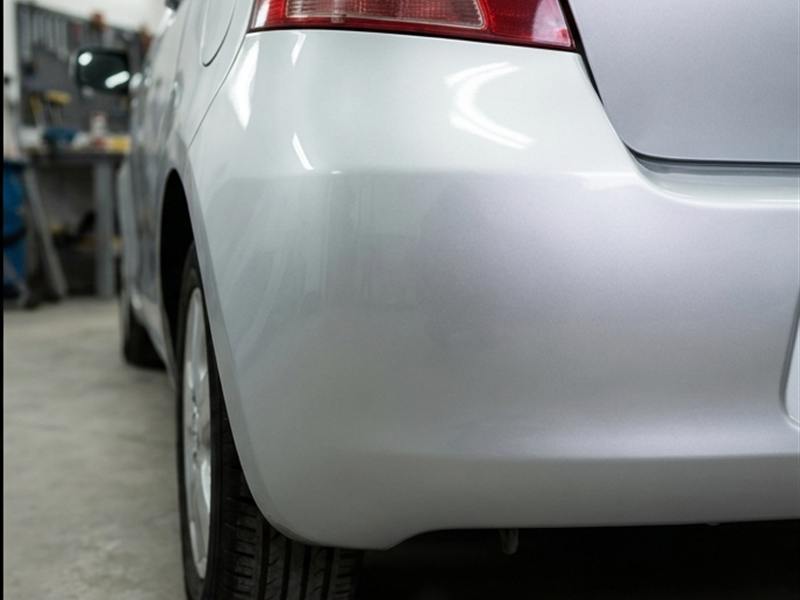
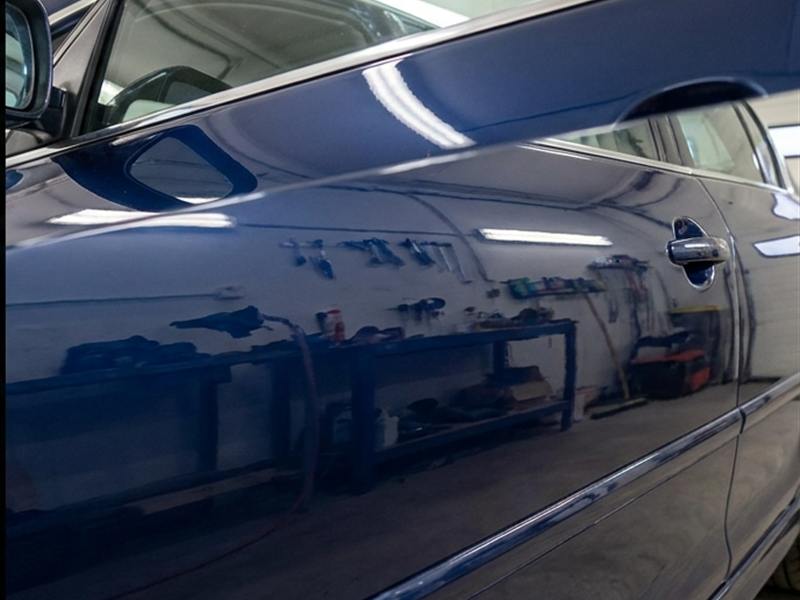
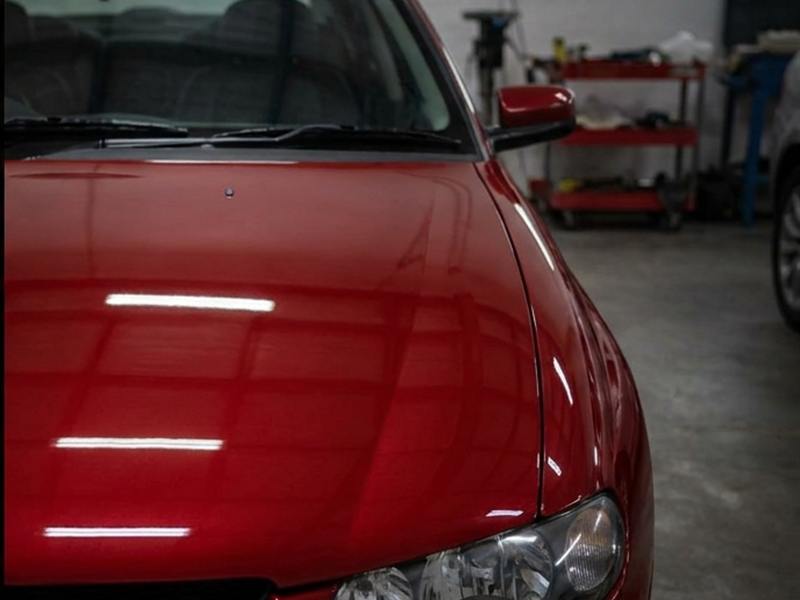
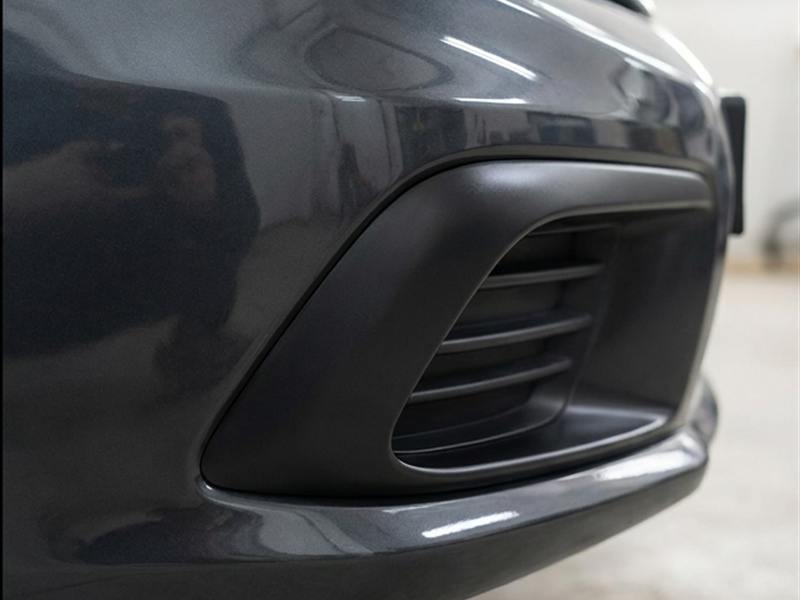
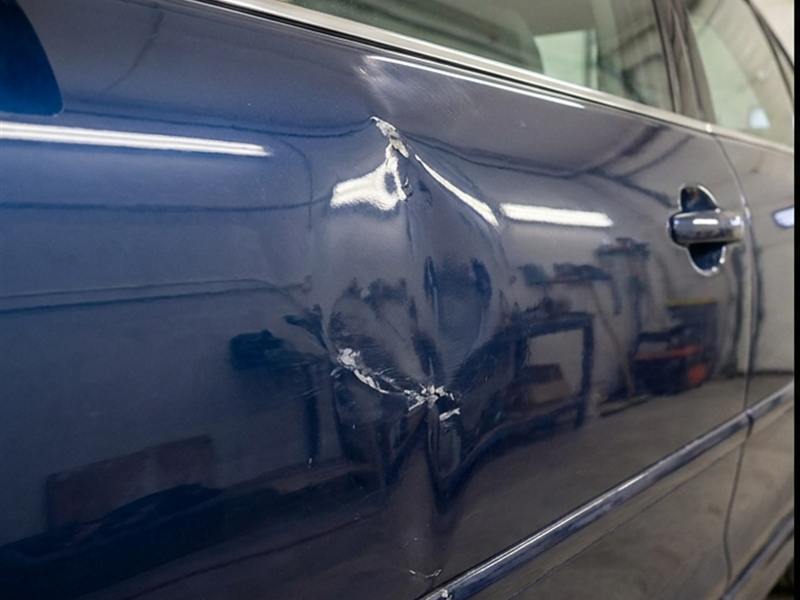
The complaints the ombudsman sees include repairs that aren’t satisfactory, repairs that didn’t fix everything damaged in the accident, new damage caused during the repair, and replacement parts that don’t match the rest of the car.
Check the car in daylight. Compare the paint on repaired panels with the panels next to them, look at the gaps around doors, bonnet and boot, test the lights and sensors, and check the invoice against what you can see.
Evidence to gather
The ombudsman looks at the car’s condition before and after the damage, so collect as much of this as you can.
- Photos of the car before the accident, after the accident and after the repair. Our guide to photographing car damage shows the angles that help.
- The estimate, the itemised repair invoice and your claim reference.
- Any engineer’s report, and copies of the claim notes if you can get them.
- A record of every call, email and letter, with dates and names.
- Receipts for extra costs, such as travel while the car was off the road.
Get an independent inspection
The Financial Ombudsman Service says it often finds independent expert reports, such as an engineer’s report, the most persuasive evidence on repair quality. Where something is unclear, it may suggest that you or your insurer get one, so ask your insurer to arrange or pay for an inspection before you pay for one yourself.
With a garage you paid, Citizens Advice suggests trying to agree a report from an independent garage or vehicle engineer. Agree who provides it, how the cost is split, and that you’ll both accept what it finds. A written quote from another garage for putting the work right can also help.
If your insurer arranged the repair
- Complain to your insurer in writing. Say what’s wrong, attach your photos and say how you want it put right.
- Allow up to 8 weeks. For most complaints, the insurer has up to 8 weeks to send a final response. Read it carefully and keep it.
- Go to the ombudsman if you need to. If you’re unhappy with the final response, or don’t get one within 8 weeks, you can complain to the Financial Ombudsman Service. You need to do this within 6 months of the date on the final response. It’s free, and you don’t need to pay a claims management company or a lawyer.
If the ombudsman finds the repair wasn’t up to an acceptable standard, it will usually tell the insurer to do one or more of these:
- have its repairer correct the damage
- let you choose your own repairer and pay for the work
- write off the car and pay you its pre-accident market value.
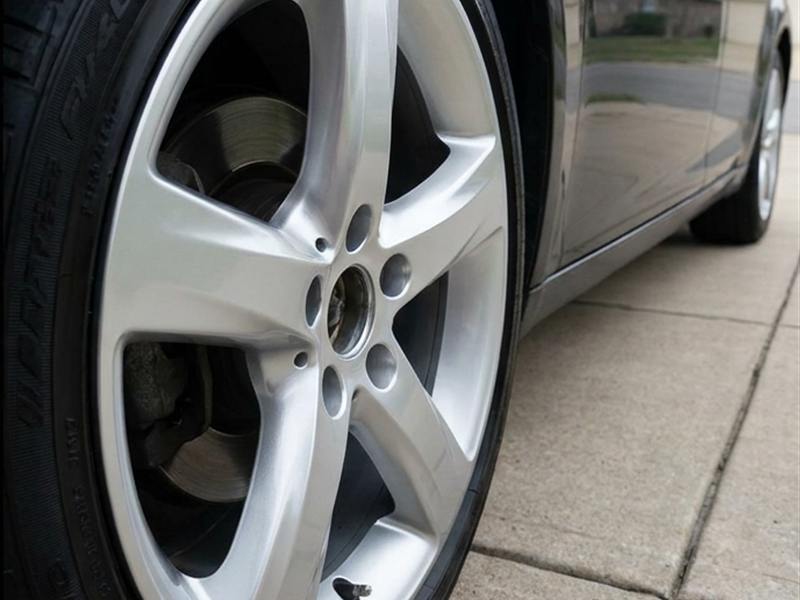
In rare cases it may tell the insurer to pay for the drop in your car’s value caused by the poor repair. If a replacement part can’t be matched to the rest of a set, such as alloy wheels, it often decides you and the insurer should each pay half the cost of replacing the rest.
If you paid the garage yourself
Under the Consumer Rights Act 2015, a garage must do the work with reasonable care and skill. Citizens Advice says that if it didn’t, you have the legal right to have the work done again or to get a price reduction.
- Raise it quickly. Speak to the garage first, then put it in writing so you have a record. Point out any new damage as soon as you can, or you could be seen to have accepted it.
- Ask them to put it right. That includes faults that weren’t repaired properly and problems that weren’t there before.
- Use your payment protection. Citizens Advice says you may be able to use your bank’s chargeback scheme, or make a section 75 claim if you paid by credit card and the repair cost more than £100.
- Try a trade association or dispute scheme. If the garage belongs to one, such as The Motor Ombudsman, it may help resolve the dispute.
- Court as a last resort. You can make a court claim for money through GOV.UK.
Citizens Advice warns that taking the car to another garage before the dispute is settled is risky, because you may need to go to court to get that extra cost back. Its consumer helpline is 0808 223 1133.
Deciding where to have it put right? See our guide to using your insurer’s recommended bodyshop.
Frequently asked questions
Who is responsible if my insurer’s garage did a bad repair?
Your insurer. The Financial Ombudsman Service says that if your car was repaired by a garage your insurer told you to use, your insurer is responsible for what has gone wrong with the repair.
How long does my insurer have to deal with my complaint?
Up to 8 weeks for most complaints. If you don’t get a final response by then, or you’re unhappy with it, you can take the complaint to the Financial Ombudsman Service, within 6 months of the date on the final response.
Can I take my car to another garage to fix a bad repair?
Ask first. On an insurance claim, the ombudsman can tell your insurer to let you choose your own repairer and pay for it if the repair wasn’t acceptable. With a garage you paid yourself, Citizens Advice warns that going elsewhere first is risky, as you may need to go to court to recover the cost.
Do I need an independent engineer’s report?
It helps. The Financial Ombudsman Service says it often finds independent expert reports the most persuasive evidence on repair quality. With a garage you paid yourself, try to agree who carries out the report and that you will both accept it.
What are my rights if I paid for the repair myself?
Under the Consumer Rights Act 2015 the work must be done with reasonable care and skill. Citizens Advice says that if it wasn’t, you have the legal right to have the work done again or to get a price reduction.
Thames Autos is a trusted bodyshop in Seven Kings, Ilford. If you’re unhappy with a repair done elsewhere, send photos through our estimate form or call 0208 597 7639, Monday to Friday 8am–6pm and Saturday 9am–2pm, and we’ll tell you what we see. If it needs putting right, see our accident repair service.
Sources
This is general information, not legal or insurance advice. Last checked against the sources above on 14 November 2026.